

An expose.dev Alternative for Webhooks and Tunnels (2026)
Compare Expose (expose.dev) and Webhook Relay for tunneling localhost and forwarding webhooks — stable URLs, transforms, fan-out, retries, free plan.
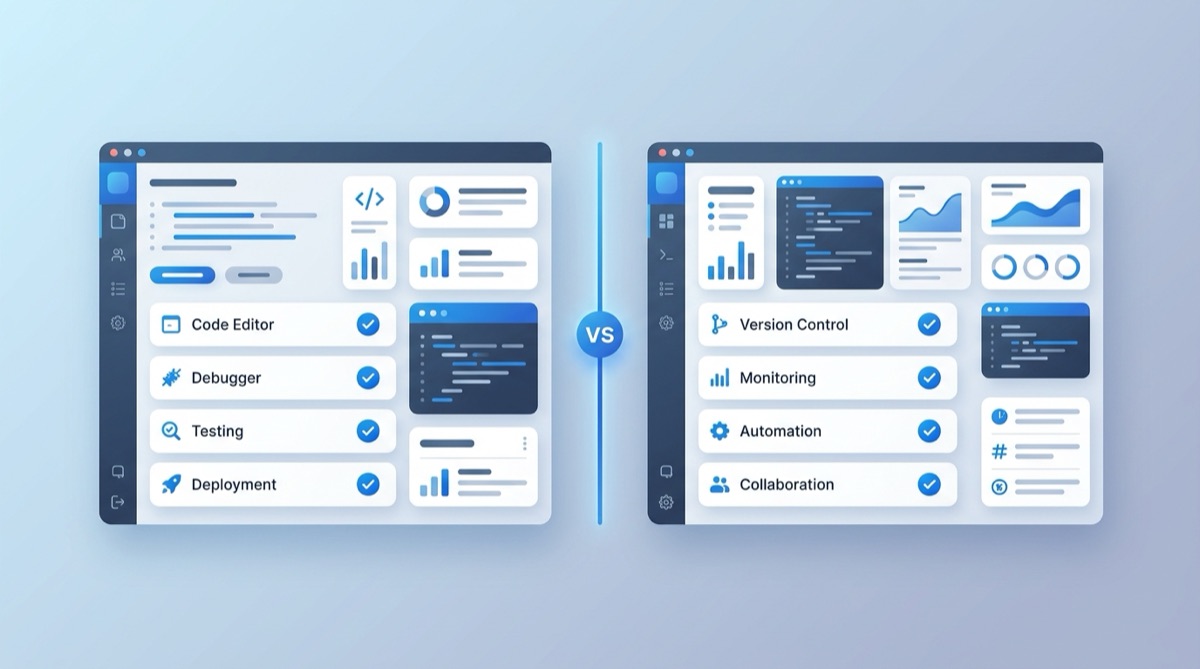
If you searched for an expose.dev alternative, you're probably weighing Expose — BeyondCode's elegant, open-source tunnel written in pure PHP — against tools built specifically for webhooks. Expose is excellent at what it does: it shares your local site over a public subdomain, ships a clean request dashboard, and is self-hostable. But as of 2026 (verify current details), Expose is fundamentally a general-purpose tunnel, not webhook infrastructure.
Webhook Relay approaches the same problem from the webhook side: a stable public URL, request inspection, retries, and the ability to forward, transform and fan-out webhooks to localhost or any private server.
TL;DR
- Sharing a Laravel/PHP local site or want a self-hosted tunnel? Expose is a great fit, especially with its Herd integration.
- The job is webhooks — transform, fan-out, retry, forward to private infra? That's where Webhook Relay is built to live.
- Want to inspect provider webhooks with zero install? Use the free Webhook Bin in your browser, then forward to localhost with the agent.
- Need the webhook to reach a private server, container, or Kubernetes pod? Webhook Relay forwards into private networks with no public IP.
Expose vs Webhook Relay at a glance
| Expose (expose.dev) | Webhook Relay | |
|---|---|---|
| Primary purpose | General tunnel for local sites | Webhook forwarding + tunnels |
| Open source / self-hostable | Yes | Hosted service |
| Stable URL | Reserved subdomains on Pro | Yes, every plan |
| Inspect requests | Yes (request dashboard) | Yes (Webhook Bin) |
| Replay requests | Yes | Yes |
| Forward to localhost | Yes (it's a tunnel) | Yes (via the relay agent) |
| Forward to a private network / Kubernetes | No (just the tunnel host) | Yes |
| Transform payloads (JS/Lua) | No | Yes |
| Fan-out to multiple destinations | No | Yes |
| Retries on failure | No | Yes |
| Laravel / Herd integration | Yes | No |
| Free plan | Free tier + paid Pro | Yes, free plan; paid from $9.99/mo |
Competitor details reflect publicly documented plans as of 2026 and can change — verify Expose's current features and pricing before deciding.
Where Expose shines
Let's be fair. Expose is a well-built tool with a clear audience:
- PHP and Laravel ergonomics. Written in pure PHP, it fits naturally into Laravel projects and integrates with Herd for one-command sharing.
- Self-hostable. Because it's fully open source, you can run the whole server yourself for privacy, custom domains, and no connection limits.
- A polished request dashboard. Expose lets you watch incoming HTTP requests in real time and replay (and even modify) them — handy for debugging.
If you're a PHP/Laravel developer who wants a self-hostable tunnel for sharing local sites, Expose is a strong default.
Where Webhook Relay wins for webhooks
1. Webhook semantics, not just a tunnel
A tunnel — including Expose — moves bytes between a public URL and your local host. Webhook Relay routes a webhook and can act on it. Because it sits in the path, you can transform payloads with JavaScript or Lua (turn a raw GitHub event into a Slack message), fan-out to multiple destinations, filter noisy events, add authentication, or retry automatically when a delivery fails. Those are webhook-infrastructure features a general tunnel doesn't aim to provide.
2. Forward to localhost and private networks
Expose exposes the machine running the client. Webhook Relay forwards a webhook to wherever it needs to go — your laptop on localhost:8080, an internal API behind a firewall, or a Kubernetes service with no public IP:
# Install the agent, then forward your public endpoint to a local port
relay forward --bucket my-app http://localhost:8080/webhook
The agent makes an outbound connection, so there are no firewall ports to open. When you do need a general-purpose tunnel, Webhook Relay offers tunnels too.
3. A stable URL on every plan
With Webhook Relay, your endpoint URL is fixed on every plan, including free — set it once in Stripe or GitHub and forget it. With Expose, reserved subdomains are a Pro feature (verify current details), so a stable URL there typically means paying or self-hosting.
4. Inspect webhooks with zero install
Open Webhook Bin, get an instant URL, and watch requests arrive in real time — no signup, no PHP runtime, no install. When you're ready to forward them somewhere, create a free account and install the agent.
5. Cross-stack, hosted, and maintained
Expose is a great fit if you live in PHP. Webhook Relay is language-agnostic hosted infrastructure — the agent runs anywhere (CLI, Docker, Kubernetes), and there's nothing to operate or keep patched yourself unless you want to.
How to switch from Expose for webhooks
- Inspect first (no install): open Webhook Bin, copy the URL, and point your provider at it.
- Forward to localhost: create a free account, install the agent, and run
relay forward. - Add webhook logic: transform, fan-out, or retry as needed — no extra services.
When to pick which
- Pick Expose if you're a PHP/Laravel developer who wants a self-hostable tunnel for sharing local sites, value the Herd integration, and don't need webhook-specific features.
- Pick Webhook Relay when the work is webhooks: stable URLs on any plan, forwarding into private infrastructure, transforming and fanning-out events, retries on failure, and a hosted service you don't have to run.
Ready to forward webhooks the easy way? Start for free or test a webhook now.