

A Reliable localtunnel Alternative for Webhooks and Tunnels (2026)
Compare localtunnel and Webhook Relay for exposing localhost and forwarding webhooks — stable URLs, retries, request inspection, and a free plan.
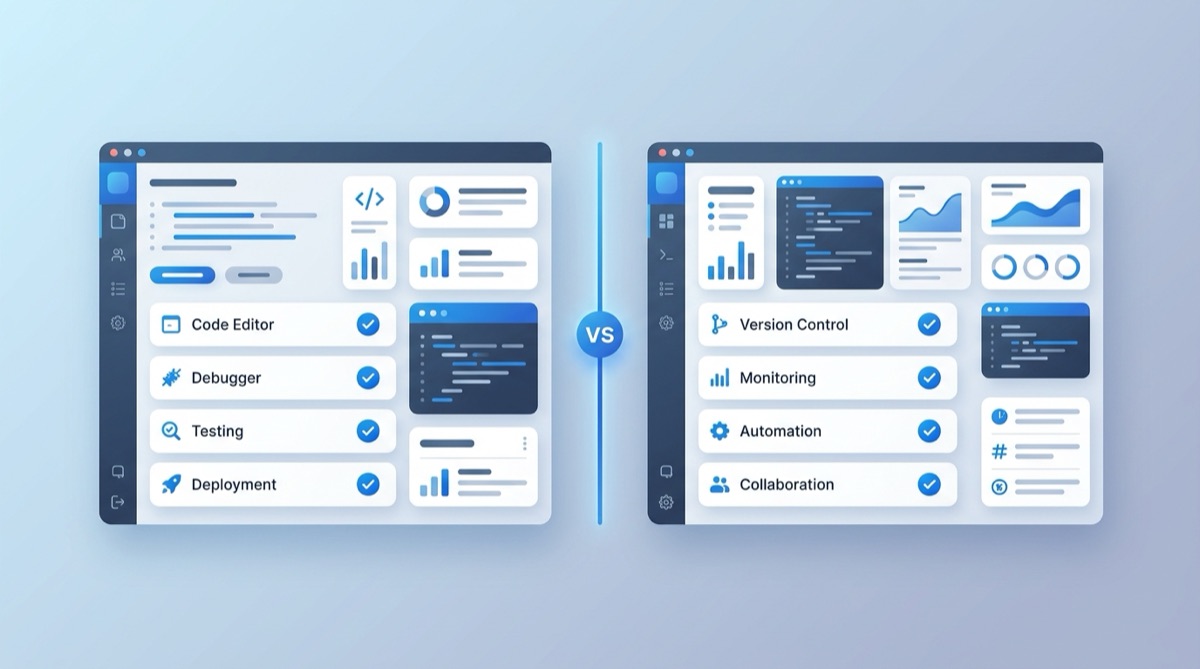
If you searched for a localtunnel alternative, you have probably already met its rough edges: the public instance returning 502s, the tunnel dropping mid-session, or the random URL that changes every time you restart. localtunnel is a genuinely useful free, open-source tool — npx localtunnel --port 3000 and you have a public URL — but as of 2026 (verify current details) the hosted instance is best-effort and the project sees little active maintenance.
Webhook Relay approaches the same problem from the webhook side: a stable public URL, request inspection, retries, and the ability to forward, transform and fan-out webhooks to localhost or any private server.
TL;DR
- Need something that stays up? localtunnel's public instance is best-effort and unmaintained as of 2026; Webhook Relay is a maintained, hosted service with a free plan.
- Tired of the URL changing on restart? Webhook Relay's endpoint URL is stable on every plan, including free — localtunnel's subdomains are random.
- Testing provider webhooks (Stripe, GitHub, Shopify)? Use the free Webhook Bin to inspect them in your browser, then forward to localhost with the agent.
- localtunnel is still the better pick for a quick, throwaway demo where reliability genuinely doesn't matter and you want zero accounts.
localtunnel vs Webhook Relay at a glance
| localtunnel | Webhook Relay | |
|---|---|---|
| Cost | Free, open source | Free plan, paid from $9.99/mo |
| Stable URL on restart | No (random subdomain) | Yes, every plan |
| Reliability / maintenance | Best-effort, low maintenance (2026) | Maintained hosted service |
| Inspect requests | No built-in inspector | Yes (Webhook Bin) |
| Forward to localhost | Yes (it's a tunnel) | Yes (via the relay agent) |
| Forward to a private network / Kubernetes | No (just the tunnel host) | Yes |
| Transform payloads (JS/Lua) | No | Yes |
| Fan-out to multiple destinations | No | Yes |
| Retries on failure | No | Yes |
| Auth / SLA / support | None | Yes, on paid plans |
Competitor details reflect publicly documented behaviour as of 2026 and can change — verify localtunnel's current status before deciding.
Where localtunnel shines
Let's be fair. localtunnel is good at exactly what it set out to do:
- It's free and open source. No account, no card, no quota to read.
- Zero-config. One command and you have a public URL — nothing to install permanently if you use
npx. - Self-hostable. Because the server is open source, you can run your own instance if you want full control.
For a quick throwaway demo — showing a teammate a page on your laptop for ten minutes — localtunnel is hard to beat on simplicity.
Where Webhook Relay wins for webhooks
1. A URL you configure once
The most common localtunnel frustration is the changing subdomain. Every restart hands you a new random URL, so you re-paste it into every provider's webhook settings. With Webhook Relay, your endpoint URL is fixed — set it once in Stripe or GitHub and forget it. That alone makes it usable for real webhook testing rather than one-off demos.
2. Reliability you can lean on
As of 2026 (verify current details), the public localtunnel instance is widely reported to drop connections, return 502s, and rate-limit, with the project seeing little ongoing maintenance. Webhook Relay is a maintained, hosted service: the agent reconnects automatically, paid plans include support and an SLA, and there's no 2-hour clock to babysit.
3. Forward to localhost and private networks
localtunnel exposes the machine running the client. Webhook Relay routes a webhook to wherever it needs to go — your laptop on localhost:8080, an internal API behind a firewall, or a Kubernetes service with no public IP:
# Install the agent, then forward your public endpoint to a local port
relay forward --bucket my-app http://localhost:8080/webhook
The agent makes an outbound connection, so there are no firewall ports to open. You can also spin up a general-purpose tunnel when you need to expose an arbitrary local service.
4. Do something to the webhook in flight
Because Webhook Relay sits in the path, you can transform payloads with JavaScript or Lua (turn a raw GitHub event into a Slack message), fan-out to multiple destinations, filter noisy events, add authentication, or retry on failure. A plain tunnel like localtunnel can't do any of that — it just moves bytes.
5. A real free tier for testing
Open Webhook Bin, get an instant URL, and watch requests arrive in real time — no signup, no install. When you're ready to forward them somewhere, create a free account and install the agent.
How to switch from localtunnel in 2 minutes
- Inspect first (no install): open Webhook Bin, copy the URL, and point your provider at it.
- Forward to localhost: create a free account, install the agent, and run
relay forward. - Keep the URL forever: your endpoint doesn't change, so you never re-configure the provider.
When to pick which
- Pick localtunnel for a quick throwaway demo where reliability doesn't matter, you want zero accounts, and you don't need any webhook features.
- Pick Webhook Relay when the work is webhooks: stable URLs, a service that stays up, forwarding to private infrastructure, transforming and fanning-out events, and retries when a delivery fails.
Ready to stop restarting tunnels and re-pasting URLs? Start forwarding for free or test a webhook now.