

A Zapier Webhooks Alternative for Developer-Grade Webhook Delivery
Compare Webhooks by Zapier and Webhook Relay. Zapier is no-code automation; Webhook Relay is developer webhook infrastructure with private delivery.
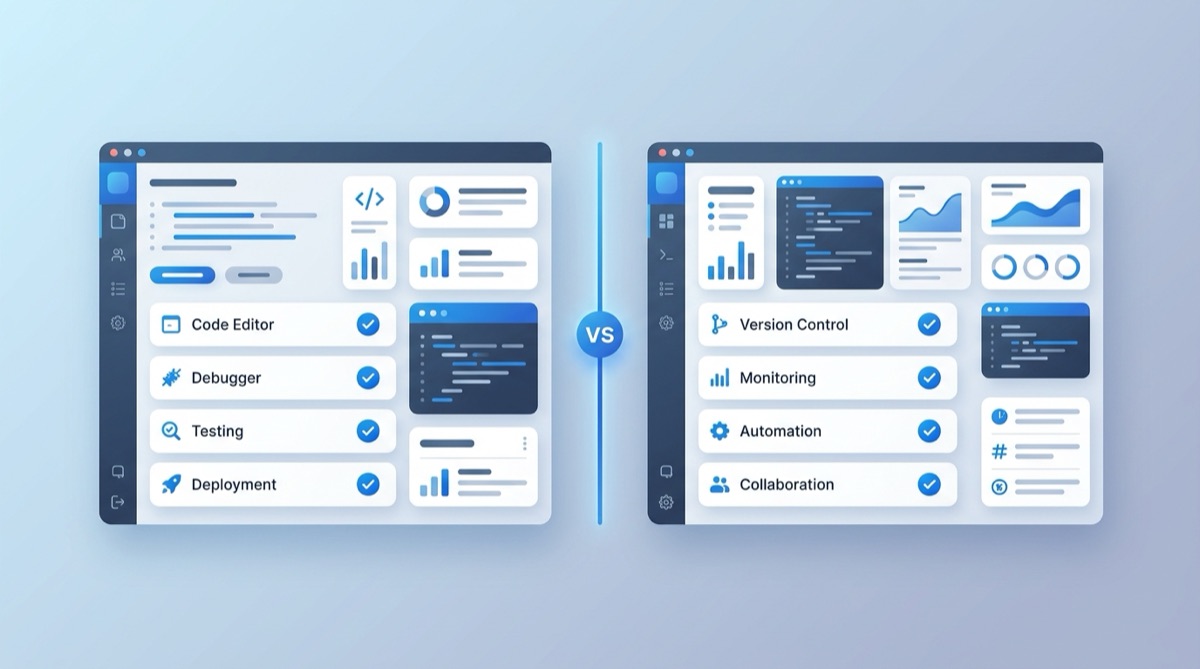
Webhooks by Zapier is a familiar starting point for a lot of teams, because Zapier is already in the building. But if you're comparing it against Webhook Relay, the important thing to understand is that they're really two different categories of product.
Zapier is a no-code automation platform. "Webhooks by Zapier" is a single trigger/action among thousands of app integrations, useful for gluing SaaS apps together. Webhook Relay is developer webhook infrastructure: its whole job is to receive webhooks and forward them reliably to wherever they need to go, including destinations Zapier can't reach.
TL;DR
- Connecting many SaaS apps with no code, where webhooks are incidental? Zapier is purpose-built for that, with an enormous app directory.
- Receiving webhooks from providers (Stripe, GitHub, Shopify, CI) and routing them as infrastructure? That's Webhook Relay's job.
- Need delivery to localhost, an internal service or a Kubernetes pod? Webhook Relay's relay agent does this natively; Zapier delivers to public endpoints only.
- Worried about cost at volume? Zapier bills per task; Webhook Relay's paid plans start at $9.99/month with a free tier.
Webhooks by Zapier vs Webhook Relay
| Webhooks by Zapier | Webhook Relay | |
|---|---|---|
| Primary purpose | No-code SaaS automation | Webhook delivery infrastructure |
| App directory / integrations | Thousands of apps | Not an app directory |
| Pricing model | Per task/operation | Flat monthly, not per task |
| Webhooks on free plan | No (paid plans) | Yes |
| Deliver to public endpoints | Yes | Yes |
| Deliver to localhost / private network | No | Yes (relay agent) |
| Fan-out to multiple destinations | Limited (multi-step Zaps) | Yes |
| Transformations | Code by Zapier steps | JS / Lua + AI |
| Scheduled / cron webhooks | Via Schedule app | Yes, native |
| Static outgoing IP | No | Yes |
| Kubernetes operator | No | Yes |
| General-purpose tunnels | No | Yes |
| Free webhook inspector | No | Webhook Bin |
| Starting paid price | ~$19.99/mo (Starter, annual, as of 2026) | $9.99/mo |
Competitor details reflect publicly documented plans as of 2026; verify current pricing and features on zapier.com.
Where Zapier is strong
- An enormous app directory. Zapier connects thousands of SaaS tools, and for many of them you'll never touch a raw webhook. If your goal is "when a row is added in Google Sheets, post to Slack and create a Trello card," Zapier is excellent and Webhook Relay is the wrong tool.
- No-code, for non-developers. Zaps are built in a visual editor, so marketing, ops and sales teams can automate workflows without writing code. That accessibility is the whole point of the platform.
- Brand and ecosystem. Zapier is a known quantity with templates, a large community and a long catalog of pre-built integrations.
If webhooks are incidental to what you're doing — a small piece of a broader no-code automation across many apps — Zapier is likely the better fit, and we'd happily point you there.
Where Webhook Relay is different
It's webhook infrastructure, not an automation platform
Most teams comparing these tools aren't trying to wire ten SaaS apps together. They're trying to reliably move webhooks — take an event a provider sends them and get it to the right place, at scale, without it getting lost. That's a plumbing problem, and Webhook Relay is plumbing built specifically for webhooks.
Delivery into private networks
This is the core distinction. A webhook provider — or Zapier — can only call a public URL. But your handler often lives somewhere private. The relay agent makes an outbound connection and forwards webhooks to wherever you point it:
relay forward --bucket payments http://localhost:8080/stripe
# or an internal host with no public IP
relay forward --bucket payments http://payments.internal:9000/hook
No inbound firewall rules, no public IP required, including a first-class Kubernetes operator for delivering into your cluster. As of 2026, Webhooks by Zapier can only deliver to public endpoints and explicitly cannot reach a server behind a firewall — verify current Zapier behavior before relying on it.
Pricing that doesn't punish volume
Zapier bills by tasks/operations, so a high-traffic webhook flow can get expensive quickly, and webhooks are only unlocked on paid plans (Starter is around $19.99/month billed annually as of 2026 — verify current pricing). Webhook Relay charges a flat monthly price rather than per event, so Team at $9.99/month and Business at $79.99/month cover a lot of throughput before you scale up, and there's a free plan to start.
Fan-out, transformations and cron built for webhooks
Webhook Relay can fan a single webhook out to multiple destinations, reshape payloads in flight with JavaScript or Lua transformations, give you a static outgoing IP for allow-listing on the receiving side, and run scheduled (cron) webhooks — all as native webhook primitives rather than steps inside a Zap. It also offers general-purpose localhost tunnels for exposing any local service.
A free request inspector
Zapier doesn't offer a consumer-facing free request bin; Webhook Relay does — the free Webhook Bin lets anyone inspect incoming requests in the browser, no account required, which is handy when you're debugging exactly what a provider is sending.
When to pick which
- Pick Zapier if you want to connect many SaaS apps with no code, your team isn't writing software, and webhooks are an incidental part of a broader automation.
- Pick Webhook Relay if you need dependable webhook delivery as infrastructure — especially into localhost, internal services or Kubernetes — predictable flat pricing, or webhook-native fan-out, transformations and cron.
Start free or compare plans. New to webhooks? Inspect one in the browser first.