

A Pipedream Alternative for Webhook Routing and Private Delivery
Compare Pipedream and Webhook Relay. Pipedream is no-code automation; Webhook Relay is webhook infrastructure that reaches localhost and private networks.
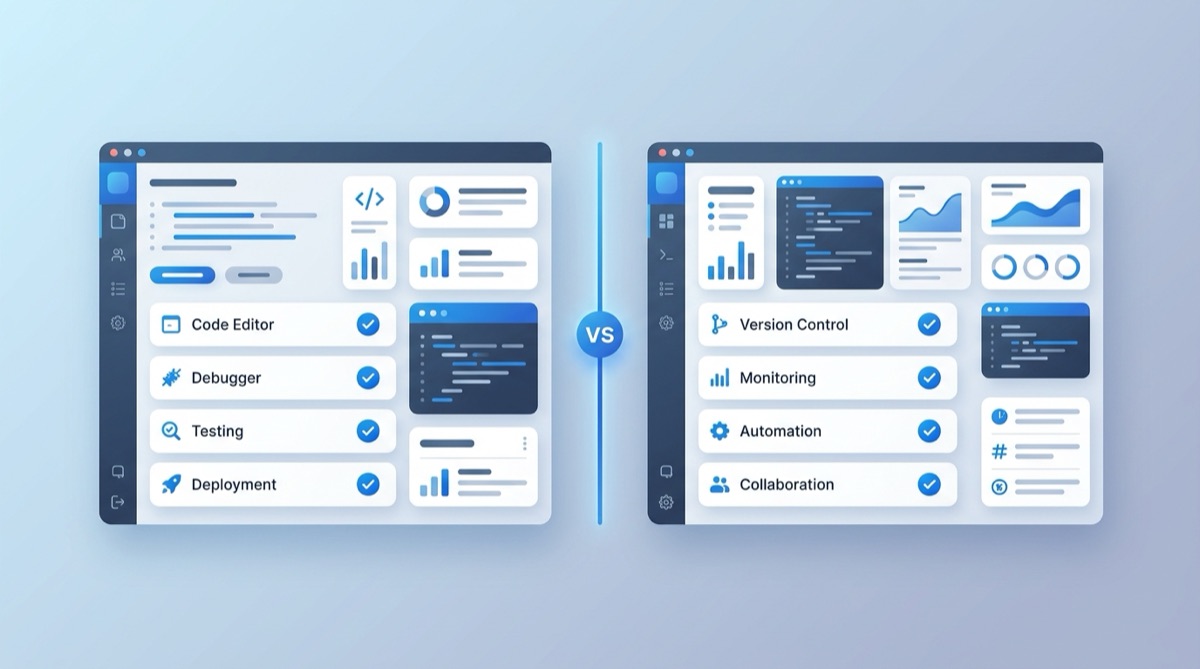
Pipedream is a powerful workflow-automation platform: connect hundreds of SaaS apps, trigger on events, and run Node or Python code in between. It also owns RequestBin, which many developers first encountered as a quick way to inspect webhooks. If you're comparing it with Webhook Relay, the key question is whether you want a general-purpose automation builder or dedicated webhook infrastructure.
Pipedream is great when you're orchestrating many apps with code. Webhook Relay is purpose-built for one job — moving webhooks reliably from where they're sent to wherever they need to go, including private destinations Pipedream can't reach.
TL;DR
- Building multi-step automations across many SaaS apps? Pipedream's integration directory and code-on-event model are excellent.
- Just need to receive, route, transform and deliver webhooks reliably? Webhook Relay is dedicated to that and is simpler to reason about.
- Need delivery to localhost, an internal service or Kubernetes? Webhook Relay's relay agent does this natively; Pipedream doesn't.
- Worried about unpredictable cost at high webhook volume? Webhook Relay uses flat pricing, not credits.
Pipedream vs Webhook Relay
| Pipedream | Webhook Relay | |
|---|---|---|
| Product type | Automation / integration platform | Dedicated webhook infrastructure |
| Huge SaaS integration directory | Yes | No (webhook-focused) |
| Code-on-event (Node / Python) | Yes | JS / Lua transforms |
| Receive & forward webhooks | Yes | Yes |
| Deliver to public endpoints | Yes | Yes |
| Deliver to localhost / private network | No | Yes (relay agent) |
| General-purpose tunnels | No | Yes |
| Scheduled / cron webhooks | Yes (workflow schedules) | Yes |
| Kubernetes operator | No | Yes |
| Static outgoing IP | No | Yes |
| Cloud Service Connections (S3/SQS/SNS, Pub/Sub) | Via integrations | Yes (native) |
| Free webhook inspector | RequestBin (account required) | Webhook Bin (no account) |
| Pricing model | Credit-based | Flat |
| Starting paid price | ~$29/mo (as of 2026) | $9.99/mo |
Competitor details reflect publicly documented plans as of 2026; verify current pricing and features on pipedream.com.
Where Pipedream is strong
- A massive integration directory. If your job is to wire together dozens of SaaS apps — read a row from Airtable, call an API, post to Slack, write to a database — Pipedream's pre-built connectors save real time.
- Code-on-event flexibility. You can drop into Node or Python at any step, which makes complex, branching logic straightforward.
- No-code/low-code builder. Non-engineers and engineers alike can assemble workflows visually.
- RequestBin heritage. It's a familiar on-ramp for inspecting incoming requests (though it now lives behind a Pipedream account).
If you want an automation platform that connects many tools, Pipedream is a strong choice and we'd point you there.
Where Webhook Relay is different
It's dedicated webhook infrastructure, not an automation platform
Pipedream is a general-purpose orchestration tool that happens to accept webhooks. Webhook Relay does one thing: receive webhooks and get them where they need to go — reliably, with retries, ordering and observability — without you assembling a workflow. For pure webhook routing, that's less to configure and easier to reason about.
Delivery into private networks
This is the biggest gap. Pipedream runs in its cloud and delivers to public URLs; it can't push events into infrastructure with no public IP. Webhook Relay's relay agent makes an outbound connection and forwards webhooks anywhere you point it:
relay forward --bucket payments http://localhost:8080/stripe
# or an internal host with no public IP
relay forward --bucket payments http://payments.internal:9000/hook
No inbound firewall rules, no public IP, and a first-class Kubernetes operator for delivering straight into your cluster. This is a production capability, not just a local-dev convenience.
Fan-out, transforms, static IP and tunnels
Webhook Relay can fan a single webhook out to multiple destinations, reshape payloads in flight with JavaScript or Lua transformations, give you a static outgoing IP to allow-list with strict firewalls, run scheduled (cron) webhooks, and open general-purpose localhost tunnels. It also has native Service Connections to AWS S3/SQS/SNS and GCP Pub/Sub/GCS for landing events directly in cloud infrastructure.
Predictable, flat pricing
Pipedream's credit-based model (where roughly one credit equals 30 seconds of compute, as of 2026) is flexible but can be hard to forecast for high or spiky webhook volume. Webhook Relay uses flat pricing — $9.99/month (Team) and $79.99/month (Business) — so a busy day of webhooks doesn't surprise you on the bill.
A free inspector with no account
Pipedream's RequestBin now requires a Pipedream account. Webhook Relay's free Webhook Bin lets anyone inspect incoming requests in the browser with no sign-up needed.
When to pick which
- Pick Pipedream if you want a no-code/low-code automation builder that connects many SaaS apps, run custom Node/Python on events, or orchestrate multi-step workflows beyond webhook routing.
- Pick Webhook Relay if you mainly need to receive, route, transform and deliver webhooks — especially into localhost, internal services or Kubernetes — want tunnels, fan-out, a static outgoing IP and cron in one place, or want flat, predictable pricing.
Start free or compare plans. New to webhooks? Inspect one in the browser first.